

Kidneys play a vital role in maintaining overall health. These bean-shaped organs filter waste and excess fluid from the blood, help maintain the body's fluid and mineral balance, and contribute to blood pressure regulation. When kidney function is affected, early diagnosis and appropriate treatment can help prevent complications and protect kidney health.
Kidney problems can range from kidney stones and urinary infections to chronic kidney disease (CKD), acute kidney injury, and kidney failure. Treatment depends on the underlying condition, its severity, and the patient's overall health.
What Are the Common Kidney Problems?
Some of the most common kidney conditions include:
Kidney stones
Chronic kidney disease (CKD)
Acute kidney injury (AKI)
Kidney infections
Diabetic kidney disease
Polycystic kidney disease
Kidney failure
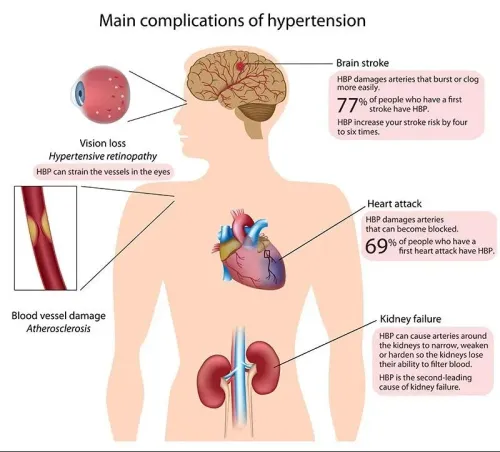
Diabetes and high blood pressure are among the major risk factors for chronic kidney disease.
How Are Kidney Problems Diagnosed?
A doctor may recommend different tests depending on the symptoms and suspected condition. These can include:
Blood Tests
Blood tests can help evaluate kidney function, including measurements such as creatinine and estimated glomerular filtration rate (eGFR).
Urine Tests
Urine testing can detect blood, protein, infection, and other abnormalities that may indicate kidney problems.
Ultrasound and Imaging
Ultrasound, CT scans, or other imaging tests may be recommended to identify kidney stones, obstruction, cysts, structural abnormalities, or other problems.
Early testing is particularly important for people with diabetes, high blood pressure, heart disease, or a family history of kidney disease.
For more information, book an appointment on 08048038640
Kidney specialist in Mulund | Kidney specialist in Thane | Kidney specialist in Airoli | Kidney specialist in Bhandup