
Diabetic Nephropathy (Diabetic Kidney Disease)
What Is Diabetic Nephropathy?
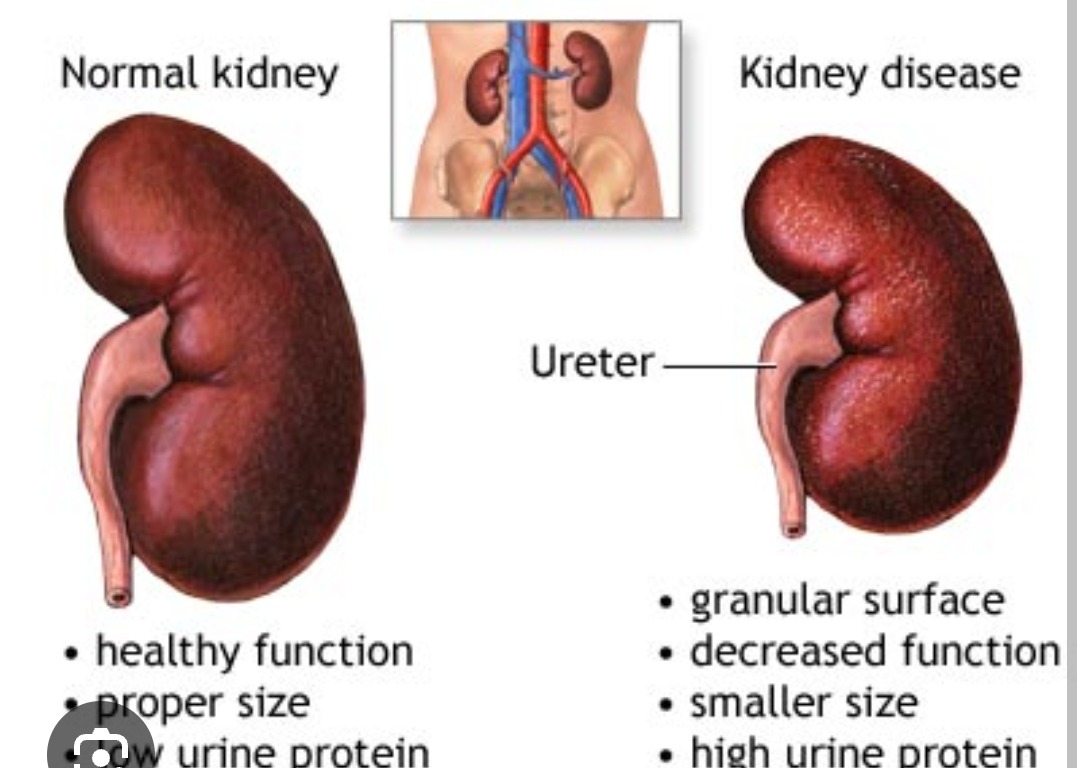
Diabetic nephropathy is kidney damage caused by diabetes. Over time, high blood sugar levels can damage the small blood vessels in the kidneys, affecting their ability to filter waste and excess fluid from the body.
It is a common complication of both:
Type 1 diabetes
Type 2 diabetes
If not treated early, it can lead to chronic kidney disease and eventually kidney failure.
What Do the Kidneys Do?
Your kidneys:
Remove waste products from your blood
Control blood pressure
Balance fluids and electrolytes
Help produce red blood cells
When damaged, these functions are reduced.
What Causes Diabetic Nephropathy?
The main causes include:
High blood sugar (poor diabetes control)
High blood pressure
Long duration of diabetes
Smoking
Family history of kidney disease
Symptoms
In early stages, there may be no symptoms.
As the condition progresses, symptoms may include:
Swelling of feet, ankles, or hands
Frothy urine (due to protein leakage)
Weight gain from fluid retention
Fatigue
Poor appetite
How Is It Diagnosed?
Your doctor may perform:
Urine test – to check for protein (albumin)
Blood test – to measure kidney function (creatinine, eGFR)
Blood pressure measurement
Regular screening is important for all people with diabetes.
Treatment
Treatment focuses on slowing kidney damage.
1. Control Blood Sugar
Follow your diabetes treatment plan
Take insulin or oral medications as prescribed
Monitor blood glucose regularly
2. Control Blood Pressure
Common medications include:
ACE inhibitors
ARBs
These help protect kidney function.
3. Healthy Lifestyle
Reduce salt intake
Eat a balanced diet
Maintain a healthy weight
Exercise regularly
Stop smoking
4. Advanced Disease
If kidney failure develops, treatment options include:
Dialysis
Kidney transplant
Possible Complications
Chronic kidney disease
High blood pressure
Heart disease
Kidney failure
Prevention
You can reduce your risk by:
Keeping blood sugar levels within target range
Controlling blood pressure
Attending regular medical check-ups
Taking medications as prescribed
When to See Your Doctor
Seek medical advice if you notice:
Swelling in legs or face
Changes in urination
Persistent fatigue
Poor blood sugar control.
Best doctor for diabetes Mulund
Best kidney doctor Mulund
Best diabetes doctor Thane
Best kidney doctor Thane
Best diabetes doctor Bhandup
Best kidney doctor Bhandup