
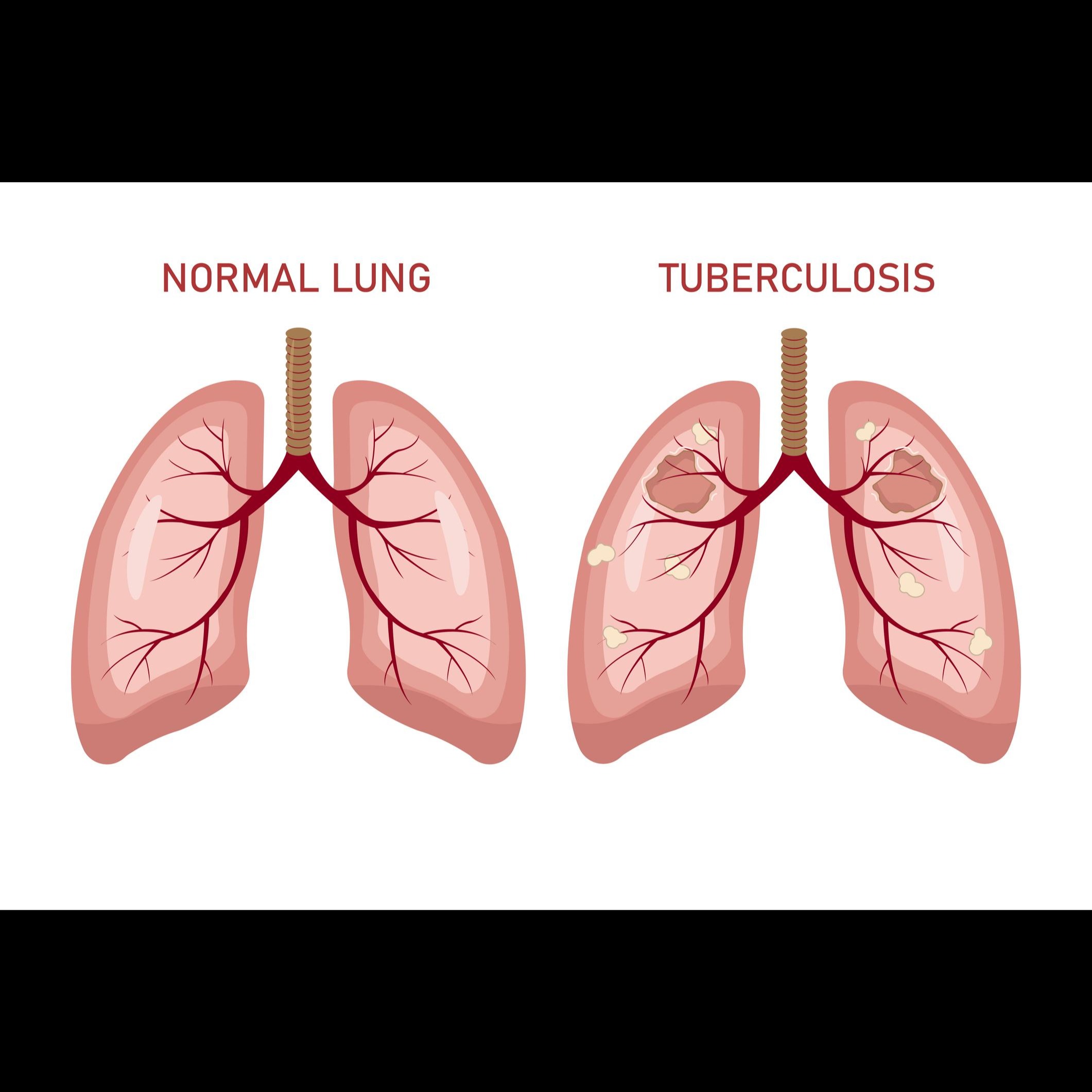
Tuberculosis (TB) is an infectious disease caused by a bacterium called Mycobacterium tuberculosis. It most commonly affects the lungs but can also affect other parts of the body, including the lymph nodes, bones, brain, kidneys, and abdomen.
Tuberculosis spreads through the air when a person with infectious TB of the lungs or throat coughs, sneezes, or speaks. Early diagnosis and appropriate treatment are essential to prevent complications and reduce the spread of infection.
Dr. Hardik Thakker provides medical consultation for tuberculosis and related infectious diseases in Mulund West, Mumbai. Patients experiencing persistent cough, unexplained weight loss, fever, or night sweats should seek medical evaluation.
With appropriate medical care, tuberculosis is a treatable and curable disease.
What Are the Different Types of Tuberculosis?
Tuberculosis is broadly classified into two categories:
1. Pulmonary Tuberculosis
Pulmonary TB affects the lungs and is the most common form of active tuberculosis. It can cause persistent coughing, chest pain, breathing difficulties, and sometimes blood in the sputum.
2. Extrapulmonary Tuberculosis
Extrapulmonary TB develops when tuberculosis bacteria affect organs other than the lungs.
Common types include:
Lymph Node TB: Causes swelling of lymph nodes, particularly in the neck.
Bone and Joint TB: Can cause pain, swelling, and restricted movement.
Abdominal TB: May cause abdominal pain, swelling, and digestive problems.
Brain TB (TB Meningitis): Can cause headaches, fever, confusion, and neurological complications.
Kidney TB: May affect urinary and kidney function.
Spinal TB: Can affect the spine and cause persistent back pain.
Early evaluation is important to identify the affected organ and initiate appropriate treatment.
Common Symptoms of Tuberculosis
Tuberculosis symptoms may develop gradually and vary depending on the organs affected.
Some common symptoms include:
Persistent cough lasting two weeks or longer
Coughing up blood or blood-stained sputum
Unexplained weight loss
Persistent fever
Night sweats
Loss of appetite
Unusual tiredness and weakness
Chest pain
Shortness of breath
If you experience these symptoms, consult a doctor for appropriate medical evaluation and TB testing.
What Causes Tuberculosis?
Tuberculosis is caused by Mycobacterium tuberculosis bacteria.
The infection generally spreads through airborne particles released by a person with infectious pulmonary or laryngeal TB.
Factors that can increase the risk of developing active tuberculosis include:
Weakened Immune System: People with reduced immunity may have a higher risk of developing active TB.
HIV Infection: HIV can increase the risk of tuberculosis due to its effects on the immune system.
Diabetes: Individuals with diabetes have an increased risk of developing active TB.
Malnutrition: Poor nutritional health can weaken the body's immune response.
Close Contact: Spending prolonged time with someone who has infectious pulmonary TB increases exposure risk.
Smoking: Tobacco use increases the risk of tuberculosis and can negatively affect lung health.
How Can Tuberculosis Be Prevented?
Taking preventive measures can help reduce the risk of tuberculosis transmission.
Maintain proper ventilation in indoor spaces.
Cover your mouth and nose while coughing or sneezing.
Wear a well-fitting mask when advised, particularly in healthcare or high-risk settings.
Avoid prolonged exposure to infectious TB without appropriate precautions.
Seek medical evaluation if you develop persistent TB-related symptoms.
Ensure household contacts are screened when recommended.
Follow preventive treatment if prescribed after medical assessment.
Maintain good nutrition and manage existing medical conditions.
The BCG vaccine is given in infancy in India to help protect children against severe forms of tuberculosis.
Tuberculosis Treatment in Mulund | Tuberculosis specialist in Mulund | Tuberculosis doctor in Mulund