

What is Hypertension?
Hypertension occurs when the pressure in your arteries stays consistently too high—generally identified when blood pressure readings are ≥140/90 mm Hg on two separate days .
. It’s often a silent condition, frequently called the “silent killer“ because most people don’t notice any symptoms .
⚠️ Risk Factors
Non-modifiable: Age, family history, genetics
Modifiable: Being overweight, lack of exercise, high salt intake, low potassium, excessive alcohol, smoking, chronic stress, poor sleep
🧠 Symptoms (Usually None)
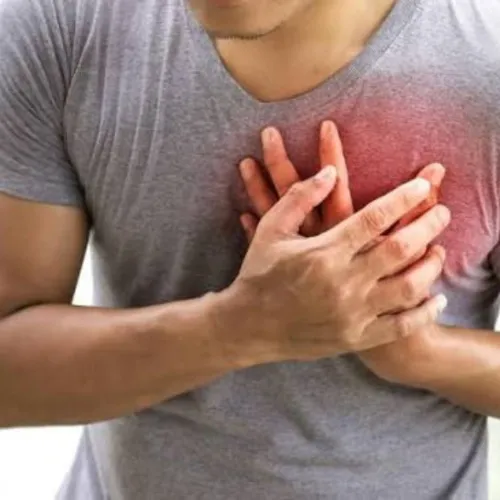
Most people feel nothing. In severe, sudden spikes (e.g. ≥180/110 mm Hg), symptoms like headache, nausea, confusion, blurred vision, chest pain, shortness of breath or nosebleeds may happen—and they require immediate care
🩺 Diagnosis & Blood Pressure Measurement
Office readings alone may be inaccurate due to “white‑coat hypertension.“ Home monitoring over several days provides more reliable data
Accurate home tracking protocol: rest for 5 minutes; sit upright with arm at heart level; take 2–3 readings spaced a minute apart; use correct cuff size .
Many doctors ask you to record morning and evening readings over a week to confirm diagnosis
🏥 Potential Complications if Left Untreated
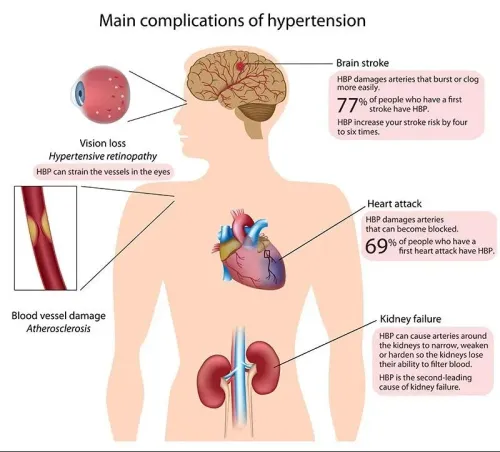
High blood pressure can affect many organs and systems over time:
Heart: coronary artery disease, heart attacks, heart failure, arrhythmias
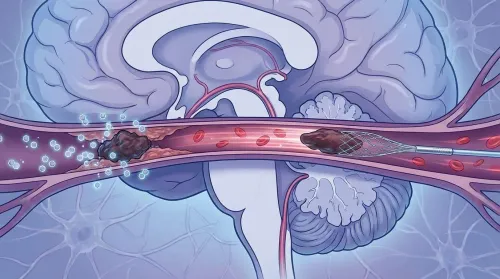
Brain: both ischaemic and hemorrhagic stroke, vascular dementia, cognitive decline .
Kidneys: chronic kidney disease, kidney failure
Eyes: hypertensive retinopathy, vision loss
Circulation: peripheral artery disease, aneurysms .
🎯 Treatment & Management
1. Lifestyle Modifications (First-Line)
Diet: Follow the DASH diet—rich in fruits, vegetables, whole grains; low in sodium (<1, 500 mg/day ideally, or <2, 300 mg max)
Increase potassium, magnesium, fiber, and calcium intake
Exercise: Aim for at least 150 minutes/week of moderate‑intensity (brisk walking, swimming) or 75 minutes of vigorous activity plus strength training twice weekly .
Weight control, stress reduction, quitting tobacco, and limiting alcohol to ≤1 drink/day for women and ≤2 for men
Practices like yoga, meditation, and deep breathing can help .
2. Medications
When lifestyle changes aren't enough or if blood pressure is in the Stage 2 range (>140/90 mm Hg), medication is often needed
Common classes include:
Diuretics
ACE inhibitors (e.g. enalapril, lisinopril)
ARBs (e.g. losartan, telmisartan)
Calcium channel blockers
Beta‑blockers
Tailored based on age, other health conditions, and tolerability; combining medications may be necessary .
3. Ongoing Monitoring & Follow-up
Keep a BP log and bring it to your healthcare visits.
Make sure your device is validated and accurate; take it along to doctor’s appointments to compare measurements.
Medicine adjustments may be needed every few weeks initially, especially if monitored readings are still high.
📅 When to See a Healthcare Provider
Official hypertension diagnosis requires readings from two different days, often with home or ambulatory monitoring .
.
Stage 1 (~130–139/80–89 mm Hg): may start lifestyle changes and monitoring; medication may be added if there are other risk factors
Stage 2 (≥140/90): most people will need both medication and lifestyle management
Very high BP (e.g. ≥180/110) even without symptoms is considered an emergency and requires immediate medical attention.
.
✅ Patient Tips Summary
Action Recommendation
Check BP regularly Home monitoring with correct technique and validated device
Adopt healthy lifestyle DASH diet, exercise, weight control, managing stress
Stick to treatment Take meds consistently, report side effects early
Keep records Track readings, bring logs to follow-up visits
Stay informed Learn about risks, ask questions about treatment plan
For more details you can reach us at our clinic.
#best doctor hypertension
#best doctor mumbai