
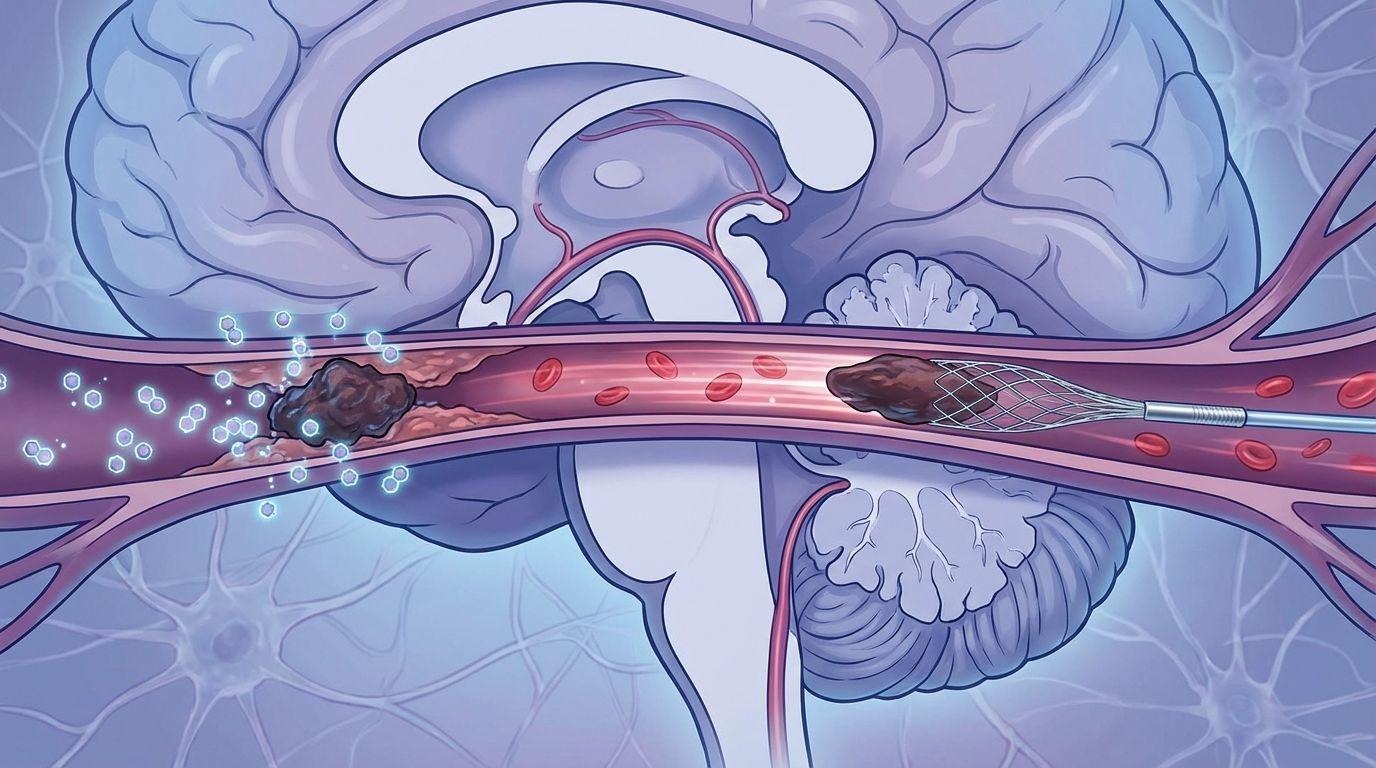
A brain stroke, also known simply as a stroke, is a medical emergency that occurs when blood supply to part of the brain is blocked or when a blood vessel in the brain ruptures. Without enough oxygen and nutrients, brain cells can become damaged within minutes, potentially causing permanent disability or death. Early diagnosis and treatment are critical.
What Is a Brain Stroke?
A stroke occurs when the brain suddenly loses its normal blood supply. There are two major types:
Ischemic stroke: A blood clot or other blockage stops blood flow to part of the brain.
Hemorrhagic stroke: A blood vessel ruptures and causes bleeding in or around the brain.
Transient Ischemic Attack (TIA): A temporary interruption of blood flow that causes stroke-like symptoms. Although symptoms may disappear, a TIA requires urgent medical evaluation because it can indicate a high risk of future stroke.
Symptoms of Brain Stroke
Stroke symptoms usually appear suddenly. Recognizing them quickly can help a patient receive treatment sooner.
Common warning signs include:
Sudden weakness or numbness of the face, arm or leg, especially on one side
Drooping or unevenness of one side of the face
Difficulty speaking or understanding speech
Slurred or unusual speech
Sudden blurred or lost vision
Sudden dizziness or loss of balance
Difficulty walking or coordinating movements
Sudden, severe headache with no known cause
Sudden confusion
requently Asked Questions About Brain Stroke
1. Is a brain stroke an emergency?
Yes. A stroke requires immediate medical attention. Rapid treatment can reduce brain damage and improve the chances of recovery.
2. Can a stroke happen suddenly?
Yes. Stroke symptoms commonly develop suddenly, including weakness, facial drooping, speech difficulties, vision changes and loss of balance.
3. Can a person recover completely after a stroke?
Recovery depends on factors such as the type and severity of the stroke, the area of the brain affected, overall health and how quickly treatment was received. Rehabilitation can help many patients regain function and independence.
4. What is a mini-stroke or TIA?
A transient ischemic attack (TIA) produces temporary stroke-like symptoms because of a brief interruption of blood flow to the brain. Even if symptoms disappear, urgent medical assessment is important.
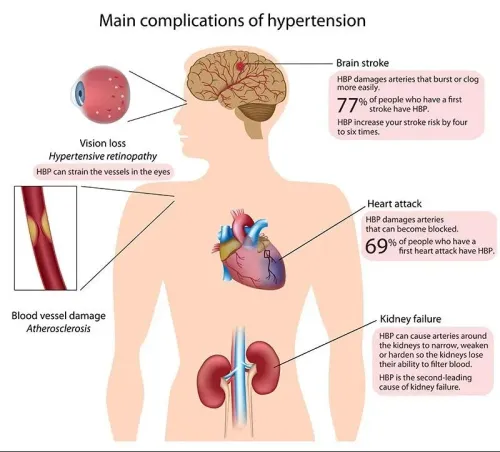
Brain stroke is a serious medical emergency, but early recognition, rapid treatment and appropriate rehabilitation can make a significant difference. Understanding stroke symptoms and controlling risk factors such as high blood pressure, diabetes, cholesterol and smoking can help protect brain health and reduce the risk of stroke.
For more questions, reach us on 08048038640
Brain Stroke Specialist in Mulund | Brain Stroke Specialist in Thane | Brain Stroke Specialist in Airoli | Brain Stroke Specialist in Bhandup